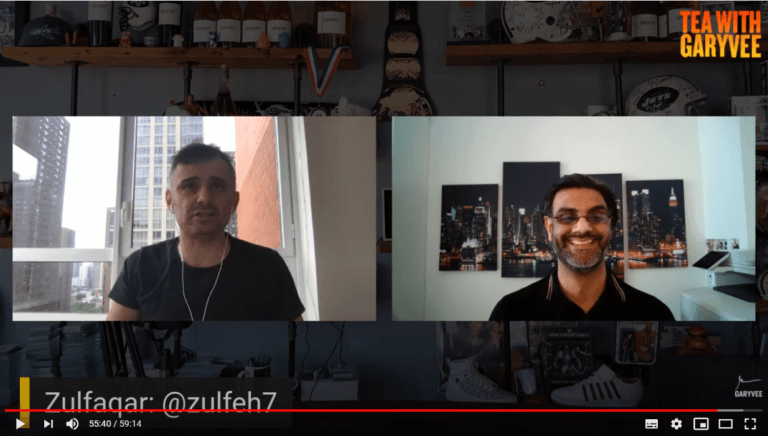
10 Ways Professionals Can Conquer Public Speaking (Before AI Makes You Irrelevant)

Fear of public speaking is notoriously common, with many people citing it as a major anxiety trigger. In the AI age we’re now in, this is a major problem where professionals risk being irrelevant.
For many, standing up in front of a crowd feels a bit like facing a lion. It did for me; I still cringe at how badly I use to capitulate.
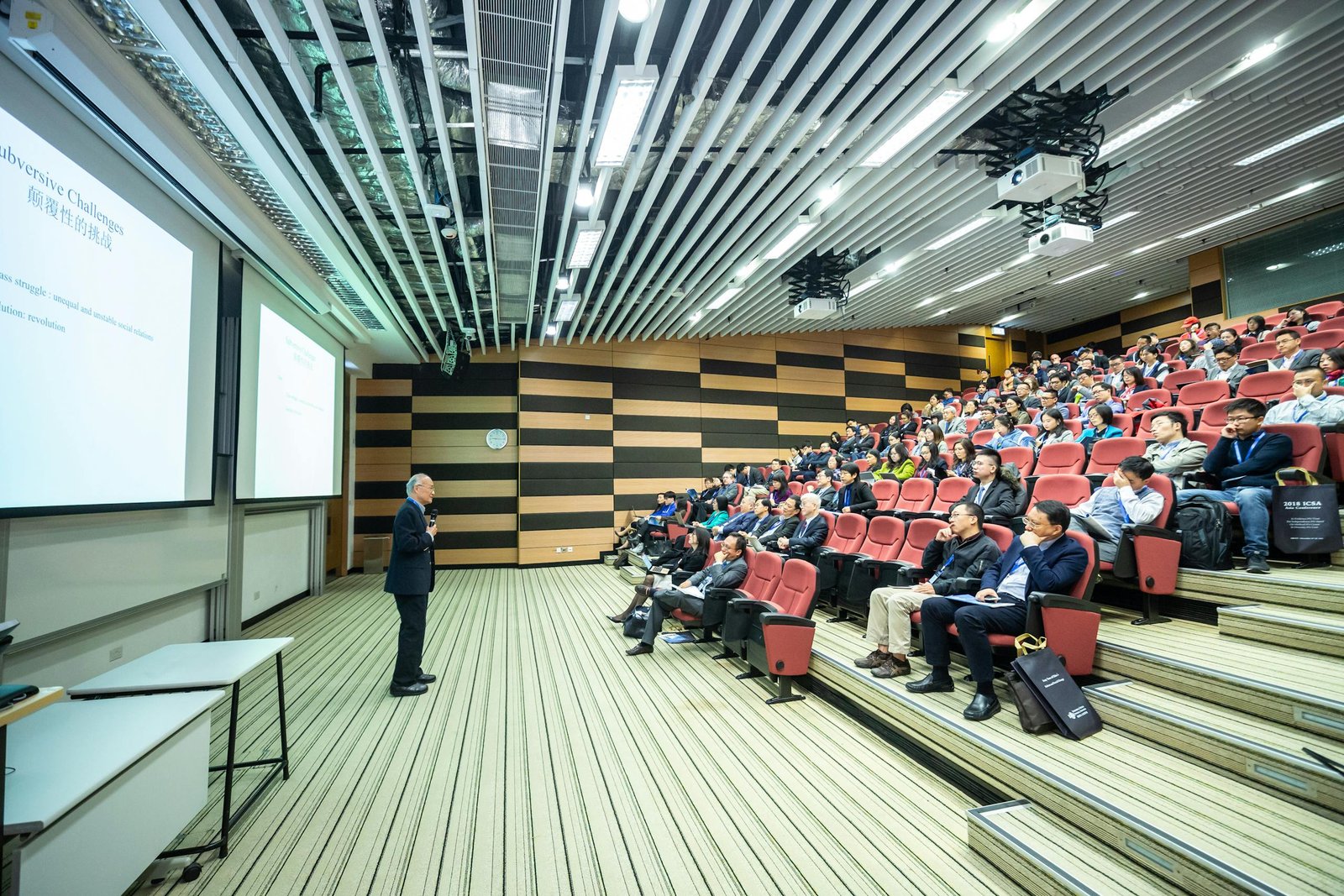
It’s not just in your head, either. This fear can mess with your mind and body, triggering sweaty palms and racing hearts faster than you can say ‘speech.’
I used to think communication was a nice-to-have. Something the naturally confident people were good at. A bonus skill, not a core one.
The AI Threat
I know differently now, as the AI era has made the stakes explicit in a way that removes any remaining ambiguity.
The professionals who thrive in the next decade won’t just be the ones who know the most. They’ll be the ones who can communicate what they know in a way that builds trust and creates demand.
The quiet expert, however brilliant, is now competing against a tool that costs £20 a month and never freezes under pressure; as well as the less competent individual who knows how to wield AI.
Conquering the fear of speaking is now a matter of survival. The good news, if I can do it, so can you.
So here are ten things that actually worked for me after thirty years of running from this Minotaur, over a thousand videos published, and multiple events in front of hundreds of people. Not theory. Documented experience.
1. Know Yourself
Taking a closer look at why you have this fear is the first step in tackling it. As I always say, self-reflection is the first step. Think is the first part of the TECA formula.
Psychologically, it’s linked to a fear of judgment or embarrassment; albeit I believe it’s more a fear of rejection.
Physically, it’s your body’s ‘fight or flight’ response kicking in, as if you’re being chased by a bear rather than speaking to your peers. Ever noticed how certain situations make your heart pound a bit faster than others? That’s because everyone has different triggers.
All pretty typical responses when nerves hit. Recognising that these are just bodily reactions can help demystify what’s going on during those anxious moments.
The issue is, you don’t really realise at the time. I remember going into calls, and even podcasts during the early phase, only to come out the other end realising my shirt is damp with sweat.
Pinpointing your specific triggers can be like finding the key to your anxiety lock. It’ll give you insight into what exactly you’re dealing with and help you address it more effectively.
Why you need to conquer this Minotaur
You might be thinking, “So what if I have this fear?” Well, it can creep into both personal and professional areas of your life, holding you back from killer opportunities and making you miss out on sharing your unique perspective with others.
The first time it impacted me was the choice of either becoming a barrister or solicitor. I wanted to be the former, I chose the latter solely because I did not want to stand up and speak in court.
Communication is a superpower. Whether you’re talking to clients, presenting a new idea to your boss, or socialising at a friend’s wedding, speaking confidently is a game-changer bar none.
In the post-career AI age, it’s the number one thing that will lead to trust, authority, credibility and a strong reputation. So after you’ve done the self-reflection, what’s next?
2. Preparation Is The Foundation of Confidence
Being well-prepared is your first line of defence against jitters when facing an audience. It’s one of the best allies when it comes to kicking public speaking nerves to the curb.
Having your material organised and well-practiced doesn’t just cut down anxiety; it can boost your confidence to new heights. Let’s take a closer look at how this works.
Think of preparation as your safety net. Ever tried winging it? Not the best idea, especially when public speaking is involved.
The more familiar you are with your material, the more relaxed and confident you’ll feel. I’ve tried wingin’ it; it’s horrible. When you first get started you’re already going through insane stress-levels; don’t leave it to chance. ALWAYS prepare.

Knowing your topic inside out gives you a sense of control over your presentation. This doesn’t mean memorising every word but rather having a structure that guides you through with clarity and coherence. By organising your thoughts, you’re halfway to winning the battle against the jitters.
Structure It Right
I’ve tried different forms: full on scripts to bullet points. When getting started, it doesn’t matter what you use, you just need to do it.
Once you’re ready to optimise, I find full on scripts make the performance rigid. Bullet points allow you to remember what you need to say, whilst giving you the flexibility to express yourself.
Whether it’s slides, cue cards, or guided prompts, having them at hand won’t just back you up, they’ll also take some weight off your shoulders.
Start by structuring your speech in an orderly, logical flow. You want to lead your audience on a journey, not take them through a maze. An engaging opening, a strong middle, and, yes, a memorable conclusion are key.
Keeping this structure in mind will keep you oriented, even if nerves start to creep in. This is now easy. Just use AI to structure it for you. But make SURE you tailor it to your needs and personality.
Foresee The Future
Anticipation isn’t just for special occasions. Think about potential questions your audience might ask, and prepare thoughtful responses in advance.
Feeling secure in your knowledge can massively reduce the fear of being caught off guard. When I did my first event, I actually sent a questionnaire out to people who signed up. What questions do you have, or what topics would you like being discussed?
Does wonders for audience engagement as well, especially if you identify who asked what.
3. The Only Thing You Need To Do
Practice makes perfect, or at least a lot better. Rehash your speech multiple times. Out loud and in front of a mirror, if possible.
Get used to hearing your own voice and anchor your main points in memory. Most people cringe at the sound of their own voice; get used to it.
Consider gathering a few friends or family members for a mock audience. They can offer invaluable feedback, especially if you ask them what they understood and enjoyed.
Practice is like the secret sauce that turns your speech from flat to fabulous. I’ve got hundreds of videos online now; but the first few were by far the hardest to get over psychologically.
If there’s only one thing I recommend you do, it’s this. There is no way around from practicing. No amount of thinking or strategy helps without action. Repetition is your greatest ally.
If you’re looking for some extra help, there’s a wealth of resources you can tap into. Public speaking guides, apps, and online courses offer heaps of tools to sharpen your skills. The Minotaur Video Exemplar programme was specifically designed to assist with this and turning your voice into a weapon.
4. Remaining Calm Under Pressure Using Breath-Work
Keeping your cool under pressure is something all great speakers work on. Relaxation techniques don’t just manage stress; they can completely transform how you feel on stage. Let’s break down how a calmer you can own the spotlight.
Ever notice your breath when you’re tense? Often it’s all shallow and rapid, like you’re running a marathon. But really, bringing your breathing under control can be a secret weapon.
Your breath plays a big role in how stressed you feel. It’s directly linked to your nervous system. That ‘fight or flight’ response we talked about? Slowing down your breath can dial that back to a ‘sit back and relax’ mode.

One technique is diaphragmatic breathing. It’s simply deep breathing from your diaphragm, rather than your chest. It’s underrated, but trust me, taking a few deep breaths before you start can do wonders.
When you breathe this way, it sends a message to your brain to calm things down. The great thing about this is it’s something you can practice at your desk, on the train, or even mid-presentation without anyone being the wiser.
A Practical Exercise
Try this exercise: inhale deeply through your nose, letting your belly expand, count to four. Hold that breath for a moment (about four seconds if you’re counting), then exhale slowly through your mouth, counting to six. This kind of controlled breathing can quickly take your stress levels down a notch.
Keep breathing in mind when you’re up there with all eyes on you. Not only does it help keep your nerves in check, but it also helps to project your voice more clearly and steadily.
I’ve settled on a silent prayer now, which works everything: “Ya Allah (oh God), let your spirit flow through me and help me deliver value so others are positively impacted.”
Mindfulness and meditation teach you to stay in the present moment instead of worrying about what might go wrong. Feeling like God is on your side, provides you with ridiculous calmness.
These practices train your brain to focus on the now, which is exactly where you need to be during your talk. Even just a few minutes of mindfulness each day can boost your overall speaking experience.
A calm speaker is a clear speaker, and that’s what you want to be.
5. Visualising Success Leads To Building a Positive Mental Framework
Visualisation isn’t just for athletes. It can be your go-to strategy for overcoming public speaking fear too. Envisioning success can condition your mind to believe in it just as much as reality.
Picture this: you’re about to step onto the stage, and instead of seeing yourself fumble or get flustered, you imagine yourself delivering your speech smoothly, confidently, with the audience hanging on every word.
It’s a bit like giving your brain a preview of what you want the outcome to be.
Start by finding a quiet spot where you can close your eyes and think about your upcoming talk. Definitely do it the night before. I encourage my son to do this the night before a football game.
Visualise every detail: walking onto the stage, making eye contact with your audience, even the sound of applause at the end. Focus on the positive reactions from your audience and how this success feels.
If not try the opposite, that has worked for me too, sometimes better: completely silence the mind. If you’re a smart professional, you already over-think. The best solution is to stop thinking altogether. Let what will be, be.
They’re Cringe, But They Work
Pairing visualisation with affirmations can amp up your mental game.
Positive statements like “I am a confident speaker” or “I captivate my audience” can help squash self-doubt. Repeating these affirmations makes them a part of your internal dialogue.
Part of my affirmations for years, which I try to instil into my children include: “I am an excellent communicator and a powerful persuader.” One that I’m drilling into my children: “I am sophisticated, articulate, elegant and eloquent.”
Visualisations and affirmations aren’t a boundary; you’ve got to practice them regularly. Make it a habit.
By investing time in these exercises, you gradually replace the “what ifs” with “I got this.” The more vivid and frequent your mental practices are, the more intuitive they become, translating into real-world performance.
6. Engaging with Your Audience: Turning Fear into Opportunity
There’s something magical about a speaker who can connect with an audience. It flips the entire dynamic, shifting focus from your nerves to the shared experience of the moment.
When you shift your focus from just getting through the speech to actually engaging your listeners, things start to feel a lot less intimidating.
Creating this connection starts with understanding your audience’s interests and expectations.
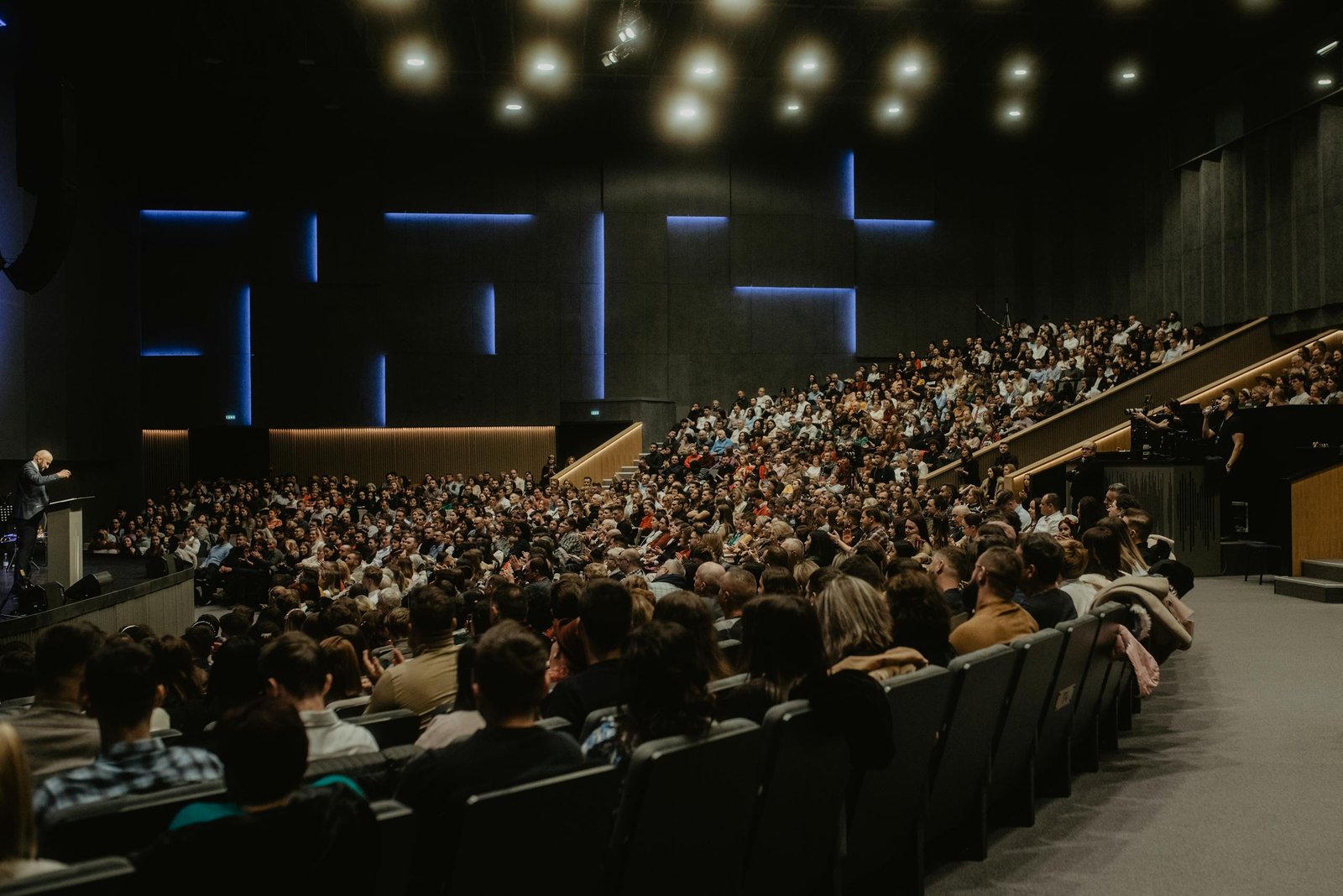
Getting to know who you’re speaking to and why they’re interested in your topic is like having a secret weapon. It gives you the ability to tailor your message in a way that resonates, and that’s a powerful thing.
Think about what draws them in and weave those elements into your talk. Relatable anecdotes, humorous bits, or thought-provoking ideas can break down barriers between you and your listeners.
Use what I mentioned earlier, get them to give you the topics or questions they’re interested in. Do some research on who will attend. Set a theme for the event. Once you’re there, speak to people in a general networking sense before the talk starts.
I’ve done events myself, being full of nerves. Having a short networking session beforehand lets you interact with people and loosen them.
Make It A Conversation
When your audience feels like you’re speaking directly to them, the whole experience becomes a lot more rewarding. It’s all communication.
Creating a positive atmosphere is next-level stuff. Imagine the energy in the room when you interact with your audience and make them feel involved. Asking questions, including polls, or sharing a brief, relatable story can work wonders.
Suddenly, it’s not just about you on that stage, it’s a shared experience. I’ve done interview style events, having other guest speakers is huge and takes the burden off of you, whilst still giving you time to deliver what you need to.
Many speakers find it helpful to consider their talk as a conversation; one where the listeners are offering silent feedback through their reactions.
Noticing smiles, nods, or puzzled looks can guide you in real-time to adjust your delivery, making it feel more like a dialogue even if it’s one-sided.
Common pitfalls can trip up even the best intentions. For instance, striving for perfection can cause unnecessary stress.
Letting go of the idea that everything must be flawless allows room for genuine interaction. My first event was a success according to feedback; I was livid and fuming because I felt everything went wrong.
Your audience doesn’t expect you to be robotic; they want authenticity. And when forgetfulness strikes, just roll with it; that human moment could be exactly what brings you closer to them.
7. Story-telling Is Your Secret Weapon
Incorporating storytelling is a fantastic move. Everybody loves a good story, and a well-placed narrative can make your presentation unforgettable.
It gives your audience something memorable to latch onto and makes your message more impactful. It personalises what you’re talking about, and makes it more relatable.
As an example, I interviewed the co-founder of Heavenly Desserts Yousif Aslam on stage. I did not ask the generic question, how did you get started. I framed it with a personal story:
“When I was at University, I used to finish up and go to eat at Dixy Chicken. The idea of starting a business wasn’t even in my mind. Yet at the same time, you were running your own Dixy franchise, how did that happen?!
Same questions. More personal, relatable & interesting. The audience was captivated.
8. Make It Interactive & Read The Room
Interactive elements are also a big hit; whether it’s asking questions, encouraging responses, or involving them in a brief activity.
It breaks up the monotony and makes listeners feel like they’re part of something, not just passive observers. I found my flow with an initial networking session, before the main presentation, ending with a Q&A, followed by the main networking session.
The feedback has been immense. You can see for yourself here: Batley Entrepreneurship Club events.

Reading the room is a cornerstone of engagement. Pay attention to body language and facial expressions.
If people seem restless, it’s okay to switch gears. Adjust your tone, change your pace, or throw in a light-hearted remark to recapture attention. Lock in eye-contact, smile at people. If you’re feeling courageous, pull faces.
Use humour to ease the tension. Throwing in a light-hearted joke not only calms you but also breaks the ice with your audience. Even if its a bad one, it results in chuckles. A shared laugh can lower the stakes and make the room feel warmer and more welcoming.
Body language speaks volumes, sometimes even more than words. Standing tall with your shoulders back doesn’t just project confidence; it does wonders for your own sense of calm.
Practice open gestures and maintain eye contact; these actions send a message to both you and your audience that you’re in control.
9. You Won’t Improve Unless You Ask
Getting feedback is gold and super important. After your talk, listening to feedback, both good and bad, can help you see what worked and what didn’t.
Use it as a tool for growth, tweaking your approach to elevate your skills over time. I mentioned it last time I wrote about this: my first experience I passed over to the guest speaker. I got told to speak more.
The second time I spoke more but I was sitting down, so I got feedback to stand up. The next time, I stood up and walked around. It’s just continuous improvement. The best part, people who turn up to your events regularly become invested in your journey.
The ones who provide feedback, and see you act upon begin feeling like a proud parent and become your biggest supporters. Don’t act like your perfect. Act like you’re on a journey and you’re taking people with you.
Do all of these and watch your public speaking game go to another level. Once I was scared to talk, now I love it. The same can be true for you.
10. Building a Support System For Continuous Growth and Development
Building a support system around you can really make a difference when you’re working to overcome public speaking anxiety. Having a network gives you the reassurance and feedback that fuels your growth.
Joining groups like Toastmasters can be a game-changer for some. Personally, I didn’t like it, but others love them. These communities offer a welcoming space to practice regularly and pick up tips from fellow speakers.
The consistent practice and shared experiences in such clubs provide both a learning platform and a confidence boost.
Consider finding a mentor or coach to guide you through your speaking journey. Someone with experience can offer personalised advice and help you navigate tough spots.
The insights you gain from their experience can open doors to new strategies and approaches. The Minotaur Video Exemplar programme isn’t simply coaching; it’s way more than that. Check it out and book a call to see if it’s a fit for you.
Setting goals gives you a roadmap to track your progress. Whether it’s talking in front of a new audience or trying out a new technique, achieving each milestone fuels your motivation.
It’s important to celebrate these wins; acknowledging your progress keeps you engaged and excited about the journey ahead.
If there’s one piece of advice for you to take away it’s this: just do that first video. Or that first talk. How it goes does NOT matter. What matters is that you simply did it. And then do the next one. And so on. Before you know it, you’ll be in-demand and creating a stir. But only if you drop that first rubbish one first.
Summary
- Step 1: Know Yourself
- Step 2: Preparation & Structuring
- Step 3: Practice, Practice, Practice
- Step 4: Breath-work for Calmness
- Step 5: Visualisations & Affirmations
- Step 6: Connect With Your Audience
- Step 7: Storytelling
- Step 8: Read The Room
- Step 9: Get Feedback
- Step 10: Support System
If you need more personal and direct support to help you overcome your fear of speaking, become visible and in-demand by sharing your expertise, come and speak to me to see if the Minotaur Video Exemplar programme is a good fir for you.
If the speaking fear runs deeper, start here first: Why Social Anxiety Keeps Smart Professionals Invisible