Why Positive Thinking Fails Intelligent Professionals (And What To Do Instead)

To say we live in tough times is an under-statement. Cost of living. Potential world wars. Constant rage-bait. Epstein files. General anxiety and panic. And then you have growing doom from an AI-takeover.
I get it. The pace of change is genuinely frightening. The structures that defined professional careers for decades are contracting. The expertise that took years to build is being commoditised in months.
But then you have the positive power-puff girls telling you the whole world is wonderful, and that you need to change your thoughts. They swear by it, but for intelligent professionals, it comes across as toxic positivity.

Most people get this wrong in both directions. For me, positive thinking is all about framing your world with a mindset that looks for the good, even when times get tough. I may be one of the few, but I’m generally positive about living in the UK.
When it appears almost everyone else is negative about the UK, how can that be so?!
The Real ‘Secret’
Well, because it’s not just about ignoring the bad stuff, but more about finding constructive, optimistic ways to tackle whatever life throws at you. And here’s the secret not many grasp:
It doesn’t matter what the external environment is; what really matters is the state of your inner self. This is why the fundamental rule of Minotaur Mastery is mastering yourself. When you do that, you see the world in a new way.
Here’s what I’ve noticed. The panic itself is the problem. Not AI.
When professionals spiral into anxiety about what’s coming, and most do, they lose the one cognitive advantage they actually have. The ability to think clearly, see opportunity in disruption, and make decisions from a place of control rather than fear.
Positive thinking, in the fluffy self-help sense, doesn’t help here. Telling yourself everything will be fine when your industry is genuinely restructuring isn’t optimism, it’s denial.
What does help is what I’d call strategic optimism. The deliberate, practised ability to maintain internal stability when the external environment is chaotic. This isn’t because everything is great, but because your internal state determines whether you can respond intelligently to the fact that things aren’t.
You might think of it as wearing special glasses that help you spot opportunities in challenges.
In the disruptive AI age we’re now in, having that kind of internal control is going to be imperative to deal with the chaos that will ensue.
Ancient Wisdom For The Modern Age
People have been talking about the power of mindset for ages. Back in the day, philosophers and spiritual leaders were all about promoting the benefits of a grounded, optimistic outlook.
The modern buzz really took off with movements like New Thought and self-help books flooding shelves. I read The Secret years ago. Enjoyed it.
But it’s essentially a children’s book that makes you feel good without telling you what to actually do. The practical guidance is missing entirely.
There’s a bunch of myths out there about positive thinking that need clearing up. Some people confuse it with toxic positivity, faking it until you make it, no matter what. That’s not what this is.
Real strategic optimism isn’t about sticking your head in the sand. It’s about genuinely cultivating a mindset that encourages resilience and growth even when the situation is objectively difficult. That’s a completely different thing.
Different cultures and communities approach this in their own ways. In some places, happiness is seen as a communal thing, while others focus on how it empowers the individual.
Which comes back to an idea we promote a lot here: what is the conditioning and programming you went through which dictates your psychology now?
The Science Behind Strategic Optimism
Our minds are powerful. Maintaining an optimistic internal state does more than lift your spirits, as it actually changes how your brain functions under pressure.
Here’s what matters practically. When professionals panic about AI, and cortisol spikes as a result, the prefrontal cortex, the part of the brain responsible for strategic thinking and decision-making, starts to shut down. You literally cannot think clearly when you’re in a state of sustained anxiety.
Strategic optimism isn’t a nice-to-have. It’s a biological requirement for keeping your brain functional under pressure.
Positive affirmations, when they actually resonate rather than just being repeated mechanically, trigger the release of neurochemicals that stabilise mood and improve cognitive function.

I’ve read a lot of Dr Joe Dispenza on this. There was a period I was genuinely hooked on his work, and the core insight holds up: your thoughts directly influence your neurochemistry, and your neurochemistry directly influences your capacity to act.
Neuroplasticity, being your brain’s ability to adapt and change, is the mechanism underneath all of this.
When you consistently maintain an optimistic internal state, you strengthen neural pathways that make it easier for your brain to return to that state even when external circumstances are difficult.
You’re training the brain, not just thinking nice thoughts.
The Impact of Positive Thinking on Mental Health
Positive thinking has the power to transform your mental health by promoting emotional stability. It’s like having a personal weather system that turns cloudy days into warmer ones filled with hope.
I spoke a lot about anxiety, mental health in the early days of writing; one post specifically went into weather affecting mood.
Strategic optimism has a direct impact on mental health, and this isn’t soft science. Maintaining a constructive internal state lowers levels of stress hormones like cortisol, which take a toll on the body and mind over time.
The connection between internal state and mental health outcomes is real, and it’s one of the reasons self-mastery sits at the foundation of everything Minotaur Mastery is about.
By focusing on constructive outcomes rather than doomerism, it becomes easier to navigate genuinely stressful situations, because you’re approaching them with a functioning brain rather than a flooded one.
There are real people who’ve turned difficult circumstances around through deliberate control of their internal state. Done so through the practised ability to interpret the same situation differently…to ask “where is the opportunity here” rather than “it’s over.”
In the AI era, that reframing capacity is one of the most valuable professional skills you can build.
Practical Strategies for Daily Life
It starts with small changes like setting uplifting routines into your day.
Journaling helps. It gives you a space to process what’s difficult without letting it run on loop in the background of your thinking all day.

Positive affirmations are reminders of what you’re actually capable of when you’re not being dragged down by the noise. Crafting ones that genuinely resonate rather than feel hollow makes the difference.
Breaking negative thought patterns takes practice. Recognise when doomerism starts and consciously redirect. Over time this becomes faster and more automatic.
The daily prayers I do as a Muslim serve this function powerfully. They force a pause. A reset. A return to what actually matters.
You don’t have to be religious for the principle to apply; building in deliberate moments of stillness throughout the day changes how you process the chaos outside of them.
Strategic Optimism and Professional Success
Strategic optimism isn’t just about feeling better. It’s a direct driver of professional performance.
By maintaining belief in constructive outcomes, you’re more likely to set ambitious targets and make genuine effort toward them.
The opposite also holds true. If you’re negative you become despondent and hopeless, and then you stop trying anything. You get stuck in a rut of stagnation and sedation; exactly the type of thing the Minotaur mission is fighting against.
In the workplace and in building anything independently, a constructive mindset helps you view challenges as problems to solve rather than evidence that you’re failing.
Overcoming setbacks becomes less catastrophic when you’ve trained your internal state to default to “what can I learn from this” rather than “I knew this wouldn’t work.”
Many of the most resilient professionals I’ve spoken to, through the podcast, through BEC events, through the work I do, share one thing: The presence of an internal state that doesn’t collapse when difficulty arrives.
They all say the same thing in that they don’t NEVER have issues; they have plenty of them; they’ve just learnt how to deal with them and look on the bright actionable side.
That’s what strategic optimism actually is. And it’s buildable.
The Community and Generational Dimension
The impact of positive thinking stretches beyond our own lives, weaving through the fabric of future generations. If you’ve been seeing my content online; I am massive on this point.
One of the reasons I started the Batley Entrepreneurship Club was to impact the next generation.
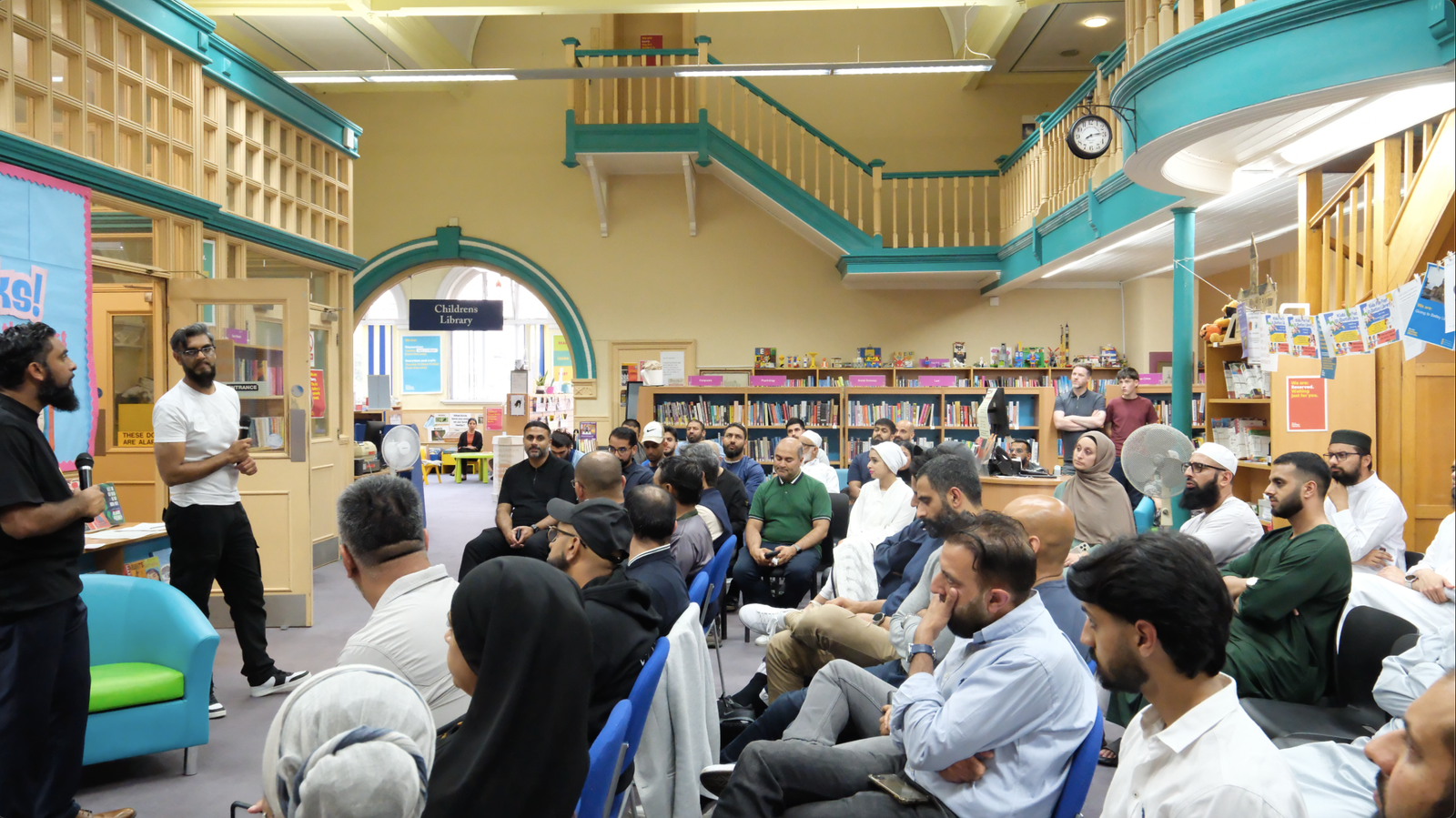
When kids grow up in an environment that champions positivity, it lays the groundwork for their lifelong emotional and mental well-being. How can we as adults remain negative, and rob the future generation of hope?!
Communities play a pivotal role here too. By nurturing supportive and inclusive spaces, we cultivate an atmosphere where people build rather than despair.
This ties back to the Contribute stage of TECA. You’re here to take action that’s of genuine service to others.
The global movement toward treating mindset as a core life skill is real. And it ain’t about toxic positivity.
It’s about recognising that your internal state is the one variable you have direct control over, regardless of what AI does, what the economy does, or what any institution decides about your value.
That’s the leverage point. And it starts with you.
The TECA Connection
Think. Evolve. Contribute. Ascend.
Strategic optimism sits at the Think stage, which as I always say is the foundation. You cannot think clearly about your situation, your options, or your next move if your internal state is one of sustained anxiety and panic.
This is why self-mastery comes before everything else in the Minotaur framework. Internal mastery leads to external execution. Not the other way around.
The professionals who do well in the AI era will not necessarily be the ones with the most technical skills or the most prestigious credentials.
They’ll be the ones who maintained the internal stability to keep adapting, keep building, keep showing up, whilst people around them were paralysed by panic.
That’s a practised internal state which available to anyone willing to do the work.
The Minotaur in the maze of your mind isn’t the AI threat.
It’s the panic that stops you thinking clearly enough to face it.
Conquer that first. Everything else follows.
Panic is the default. Control is trained.
Where will you land?




One Comment