
Why Social Anxiety Keeps Smart Professionals Invisible (And How To Break It)

Social anxiety isn’t just a mental health issue. It’s a visibility problem.
The smartest professionals I know are often the most invisible. Not because they lack ability, insight, or something worth saying.
But because they’re trapped in their own head, overthinking every interaction, self-judging before anyone else gets the chance, and quietly avoiding every situation that might expose them.
I know this because I lived it. For thirty years.

Social anxiety, in my experience, isn’t just about feeling a bit nervous at a party or meeting new people.
It’s a profound experience that makes the simplest social interactions feel like huge challenges.
It’s your mind hitting the panic button when faced with social situations. Your brain convinced that everyone’s staring at you, just waiting for you to mess up.
I made a YouTube video about social anxiety a few years ago, looking back at it now it’s cringe. But given I was petrified of what people might think, it shows huge progress, especially now when I’m much better at speaking.
It’s Less Disorder & More Exposure Deficit.
Here’s the reframe that changed everything for me.
The medical world wants to give you a diagnosis: Social Anxiety Disorder, SAD; and a treatment plan involving therapy, breathing exercises, and gradual desensitisation. All of which have their place.
But for intelligent professionals, the most useful reframe isn’t clinical. It’s this: there’s no disorder, it’s just that you’re running an outdated programme that was installed before you were old enough to question it.
Remember the stranger danger that was seeped deep into our conditioning as children? If we’re told strangers are dangerous and we should avoid them; what do we do when we enter the big world and realise 99.99999999% of people are strangers?!
We were conditioned to fear most of the world’s population before we even understood what conditioning was.
And then we grow up, enter professional environments, and wonder why standing up in a room full of people (strangers), or switching on a camera, or speaking up in a meeting (in front of strangers) triggers something that feels like genuine danger.
It’s not irrational. It’s a perfectly logical response to an outdated programme running in the background of your operating system.
The Roots: Why Some Professionals Have It Worse
Most people think social anxiety is random. It isn’t. It’s patterned. Start with family and upbringing.
I was a softie. A geek. I feared the disapproval of my parents, teachers, everyone. No wonder I had issues.
Most of what you’re experiencing was installed early, through authority, environment, and repeated emotional experiences. Bullying or growing up in overly critical environments can lay the groundwork for social fears. Words matter and they stick well into adulthood.
Society and culture pile on further. Fitting in, behaving appropriately, achieving goals, constantly measuring up to standards…it all makes social encounters feel like never-ending tests.
For professionals specifically, the stakes feel higher because there’s more to protect. A senior lawyer in a boardroom isn’t just afraid of looking stupid. They’re afraid of losing the credibility they spent fifteen years building. The fear isn’t irrational because it’s proportional to the investment.
The more you’ve built professionally, the more there is to lose. And the louder the anxiety gets before you open your mouth. Mixed with OCD in my case, this was a huge Minotaur I had to overcome.
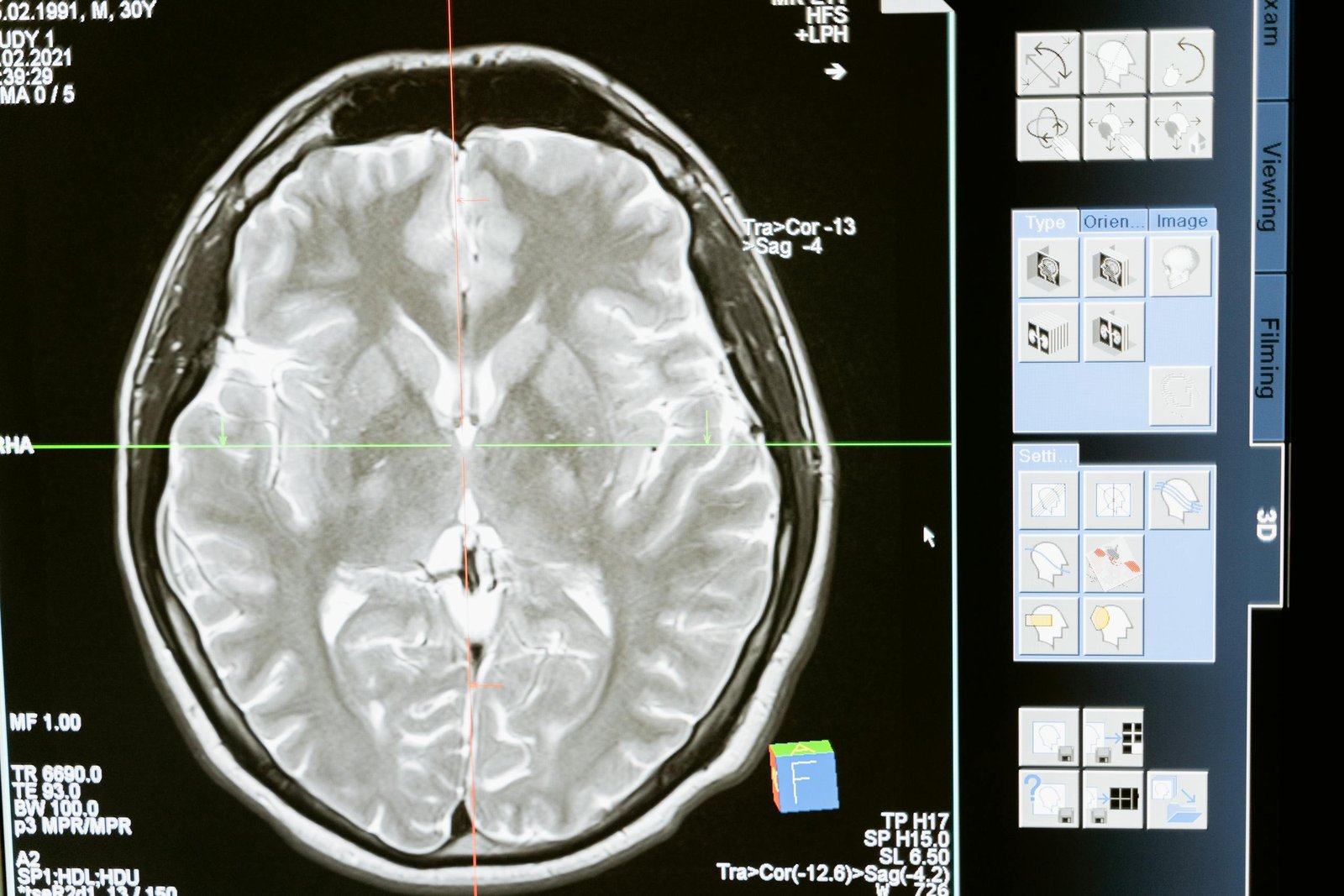
Granted there’s a whole segment we can talk about on neuroscience and how your brain is wired. But that’s just another way of scientifically talking about your conditioning and programming.
The most important aspect to remember is that your brain can be changed. Your behaviour can be changed, and so you can get rid of social anxiety if you choose to do so.
What Social Anxiety Is Actually Costing You
Social anxiety doesn’t just affect your confidence. It caps your income, your opportunities, and your influence.
Think about the decisions it drives:
- Not applying for the promotion because the role requires presenting to senior leadership.
- Staying quiet in a meeting when you had the best idea in the room.
- Never making the video, never starting the podcast, never putting yourself out there
All because the exposure feels like too much.
In the AI era, this cost has compounded.
Visibility is no longer optional for professionals who want to stay relevant. If you stay invisible, you will be outcompeted by people less capable but more visible.
When AI can replicate technical competence at scale, the professionals who get opportunities are the ones who are known, the ones who show up, speak up, and build a presence that precedes them.
Social anxiety is the internal Minotaur blocking that path. And unlike the external threats like restructures, redundancies, AI tools, this one you can actually do something about.
If you don’t understand yourself, how can you improve yourself? Think. It’s the first step of the TECA formula.
The Only Cure Is Doing The Thing
Cognitive Behavioural Therapy has its place. Mindfulness is genuinely useful. But if you want to know the real secret…the thing that actually worked for me after thirty years of running from this…it’s attacking it head on.
My way was to just make video after video.
It first started with creating written content, like the early articles you’ll find in the Library of this website, written in 2018 when I was still petrified. Then I moved to video. Then podcasts. Then stages.
Each one was uncomfortable. Each one was evidence that I could survive it. And the evidence accumulated until the fear stopped having veto power.
The aim is to stop caring what people think. Social anxiety makes you feel everyone is watching you, judging you, waiting for you to fail. The truth is, nobody really cares. They’re too busy worrying about what you think of them.
Who knows, keep going and you might end up speaking to global influencers like Gary Vee.
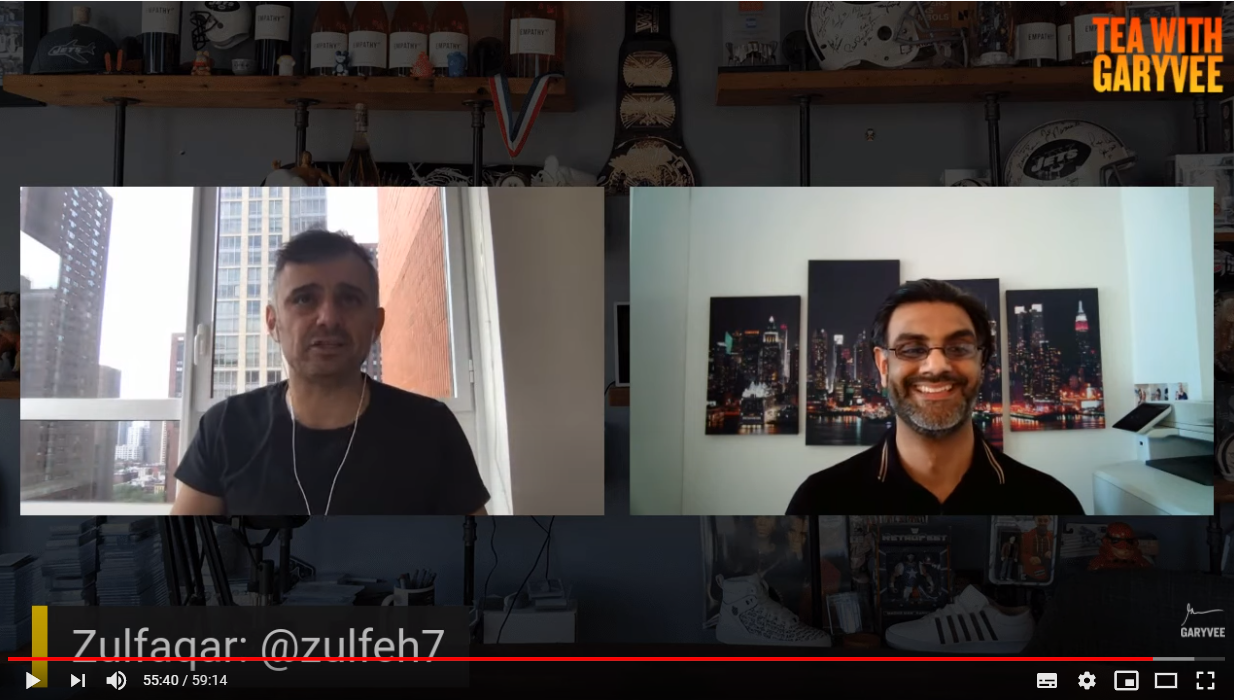
That happened to me. I was shittin’ bricks in the above video, I was so disappointed in myself afterwards. But life goes on. You learn. You get better. You move.
Practical Steps That Actually Help
Mindfulness and meditation are genuinely useful for managing the acute moments; before a presentation, before hitting record, before walking into a room. They calm the system enough to take the first step.
Controlled breathing works in real time. Not as a permanent fix, but as a tool to lower the physiological response enough to act.
Build confidence in low-pressure environments before the high-stakes ones. Your first video doesn’t need an audience. Your first talk doesn’t need to be a keynote. Start where the stakes are low and build the evidence base gradually.
Long-term, lifestyle matters. Physical activity, decent sleep, proper nutrition, these all create a foundation that makes everything else easier. It’s not just mental. It’s physical. You need to look at the whole system, not just one part.
And find people doing the same thing. My video-making journey started with a small group doing the same thing. The shared experience of struggling publicly together takes some of the weight off.
The Bottom Line
Social anxiety is crippling. It’s horrible. I can say without a shadow of a doubt that tackling this Minotaur was the best thing I ever did. It changes the trajectory of your life, your relationship with yourself, and your relationship with others.
The opportunities it opens up, and the amount of fun you have once you’re on the other side of it, is phenomenal.
The fastest way out isn’t thinking about it. It isn’t diagnosing it or waiting until you feel ready.
It’s exposure. Repeated, deliberate, accumulating exposure.
You don’t eliminate the fear first and then act.
You act, and the action eliminates the fear.
That’s the path. I’ve done it. Most won’t.
You decide which side you’re on.
You can even read the 10 steps to overcoming public speaking here.
And if you need personalised support, someone who has been through this themselves and understands the process, reach out. Or join the email list and get the Minotaur Relevance Playbook. The work starts there.
The root of it is usually this: Why Your Inner Critic Is Making You Invisible





One Comment