Ancient Systems of Mastery: What Solomonic Ritual Teaches Us About Discipline, Fear & Self-Transformation

Most people hear “solomonic magic” and think of dark rooms, pentagram circles, and Hollywood nonsense. I get it. I did too.
But when I sat down with a practitioner called Vik for an episode of The Minotaur’s Maze podcast, what I found wasn’t what I expected. Behind all the ritual and symbolism was a system of personal mastery that’s survived for over 3,000 years. Not because it’s spooky. Because it works.
And it taught me more about discipline, facing fear, and self-transformation than most modern self-help books ever have.
The System Behind The Symbols
Solomonic magic gets its name from King Solomon of the Bible; regarded as one of the wisest figures in scripture. The tradition holds that he used spiritual forces to build the Temple of Jerusalem. Whether you take that literally or symbolically doesn’t matter for what I’m about to explain.
What’s fascinating is where the system actually comes from. It’s not purely Hebrew. It traces back to Greco-Egyptian Alexandria, where priests would perform rituals as what Vik described as essentially a “side hustle” for clients. The Greeks then came along and did what Greeks do; they systematised everything into a recipe-style format. Basically the world’s first spell book.
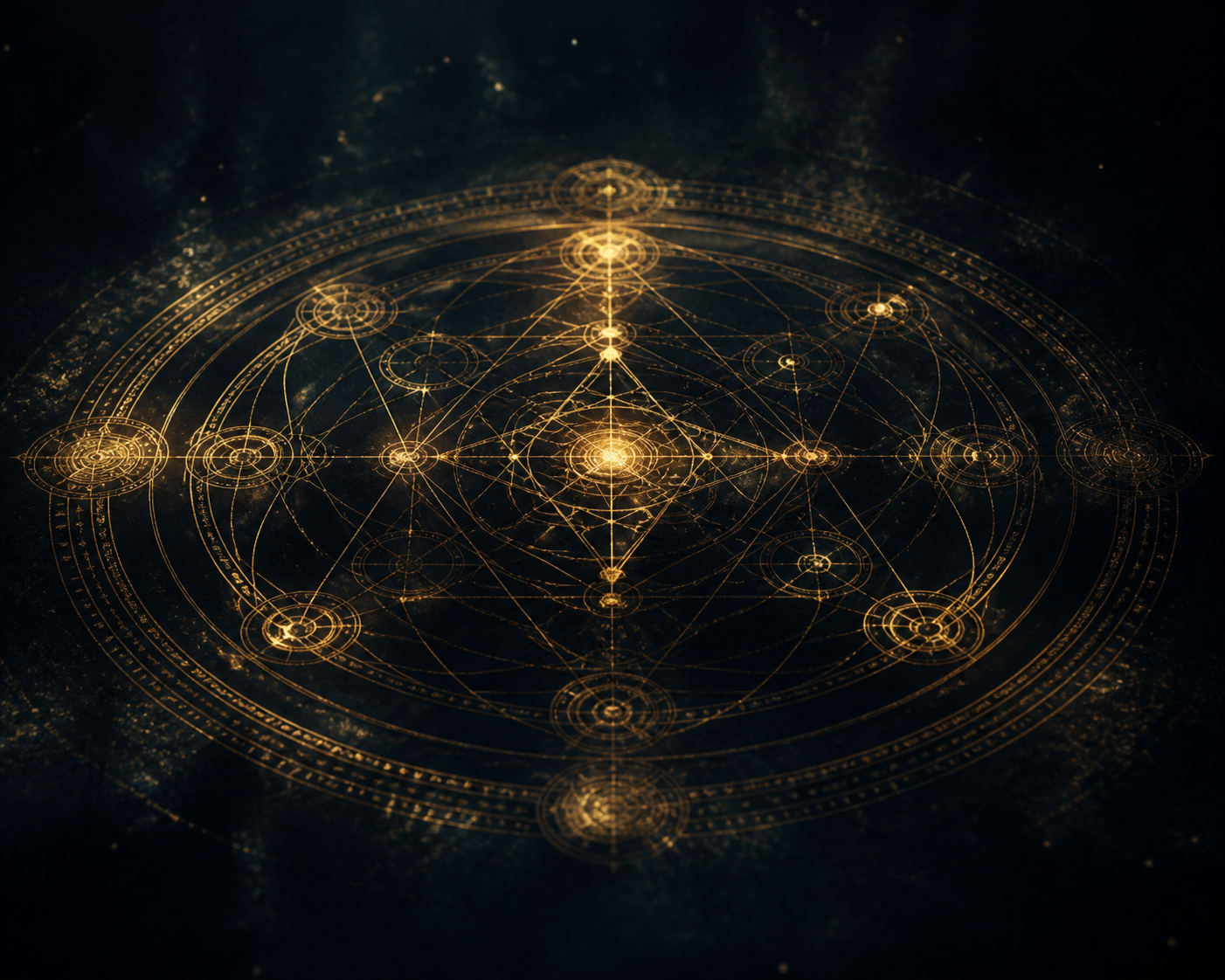
That systematic approach is what makes it relevant to us. This wasn’t random superstition. It was a structured, repeatable framework for engaging with forces greater than yourself. Sound familiar? It should.
Preparation Is The Real Practice
Here’s where it gets interesting for anyone interested in self-mastery.
The actual ritual; the calling, the binding, the conversation with spirits; that’s only a fraction of the process. The majority of solomonic practice is preparation. Vik described a “consecration period” involving:
- Fasting from food and sex
- Daily prayer and meditation
- Preparing specific tools and garments
- Choosing the precise timing, location, and direction
- Building up what he called your “power level” through sustained spiritual discipline
You end up looking more like a priest than a sorcerer. White garments. Scripture. Discipline.
Now strip away the spiritual language for a second. What you’re looking at is a system that says: before you attempt anything significant, you must prepare yourself internally. You must build discipline. You must fast from distraction. You must focus your intention. You must earn the right to engage with the challenge ahead.
That’s not magic. That’s the foundation of every meaningful achievement in life.
The Hierarchy of Fear
One of the most striking things Vik explained was the hierarchical nature of the system. There are kings, there are lesser spirits, and there’s a chain of authority. When a spirit doesn’t cooperate, you escalate; essentially threatening to “call their manager.”
He laughed when he said it. But the principle underneath is serious.
Most people are paralysed by their fears because they see each fear as equally overwhelming. Everything feels like a king-level demon. But the solomonic framework teaches you that fears have a hierarchy. Some are surface-level; easy to dismiss once you name them. Others are deeper and require more preparation, more discipline, and more authority to face.
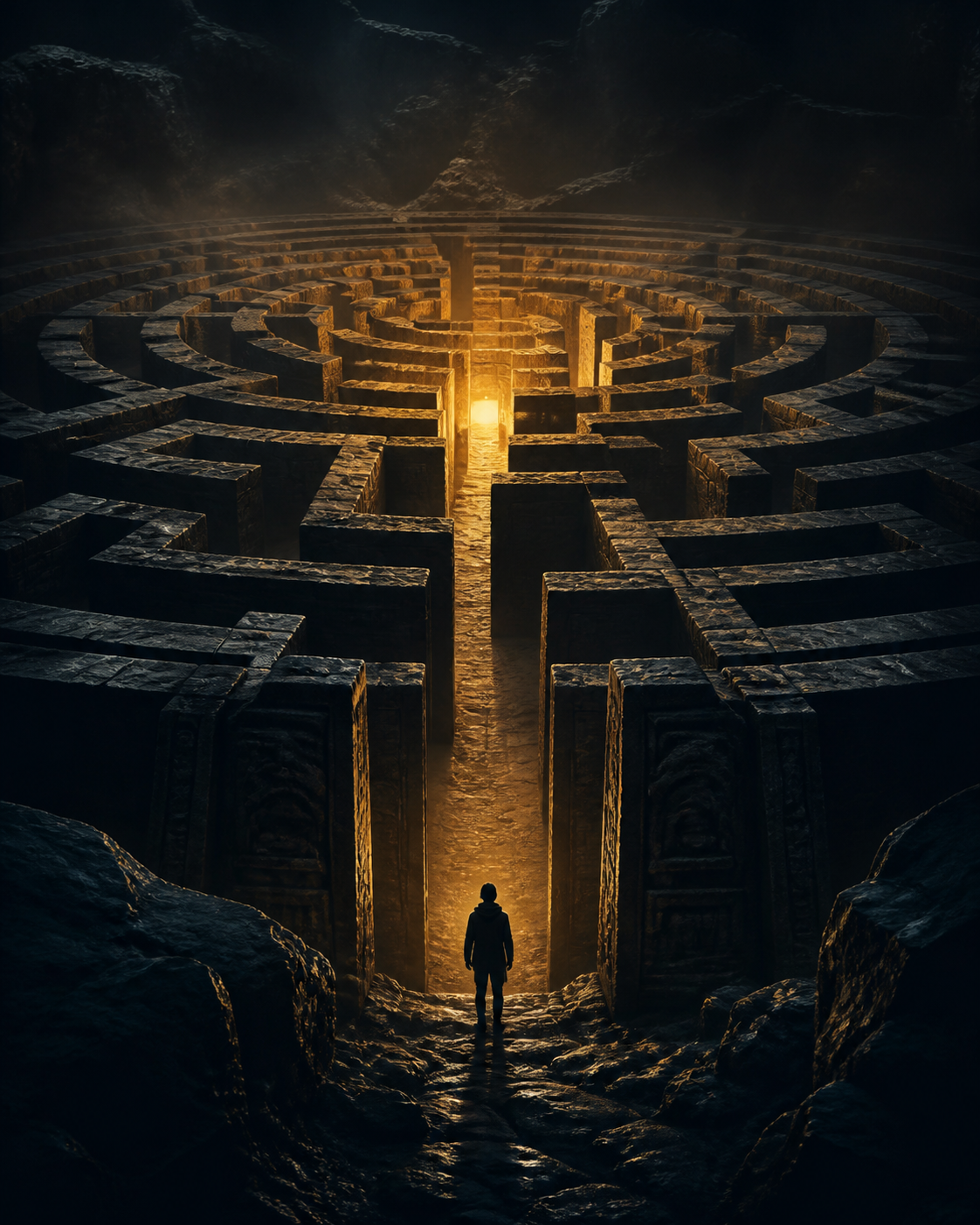
This is exactly how the Minotaur Mastery framework works. Your Minotaurs (fears, insecurities, obstacles) aren’t all the same. Some are paper tigers you can confront today. Others require months of internal work before you’re ready. The mistake most people make is treating them all identically; either avoiding all of them or trying to fight the biggest one first with no preparation.
The solomonic system says: build yourself up first. Prepare. Fast. Pray. Meditate. THEN face the demon. Not because the demon is more powerful than you, but because you need to be at full power when you do.
The Binding: Making Transformation Permanent
Vik made a distinction that stuck with me. He said calling a spirit isn’t the hard part. Binding it is. Getting it to show up is one thing; getting it to serve your purpose is another entirely.
This is where most people fail in personal development. They have moments of clarity. They read a book that changes their perspective. They have a breakthrough on a course or a retreat. The spirit shows up, so to speak.
But they don’t bind it. They don’t create the systems, habits, and structures that make the transformation permanent. So the insight fades. The motivation disappears. They’re back where they started within weeks.
The solomonic tradition has an entire phase dedicated to binding; ensuring that what you’ve called into your life stays there and works for you. In practical terms, that’s what consistency looks like. It’s the daily practice after the breakthrough. The routine after the revelation. The work after the workshop.
It’s also why MVE isn’t a one-off session. It’s a structured programme. Because the breakthrough of “I can actually speak on camera” means nothing if you don’t bind it with consistent action afterward.
Ancient Wisdom, Modern Maze
The thing that struck me most about this conversation wasn’t the content; it was the realisation that humans have been building systems for self-mastery for thousands of years. Long before Tony Robbins. Long before self-help became a genre. Long before “mindset” became a LinkedIn buzzword.
The Egyptians had it. The Greeks systematised it. The medieval scholars preserved it. And here we are in 2026, struggling with the same fundamental challenges: how do I face my fears? How do I develop discipline? How do I transform myself into the person I need to become?
The tools have changed. The maze hasn’t.
Whether you’re trying to overcome a fear of speaking on camera, build the discipline to post content consistently, or face the existential dread of an AI-disrupted career; the principles are ancient. Prepare. Build authority over yourself first. Face the challenge with intentional structure. Bind the transformation so it sticks.
That’s what Minotaur Mastery is built on. Not the specific rituals of solomonic practice, obviously. But the underlying truth: that facing your fears requires a system, not just willpower. That preparation matters more than the moment of confrontation. And that the real work isn’t in the dramatic battle with the Minotaur; it’s in the quiet discipline of becoming someone capable of fighting it.

The Uncomfortable Overlap
I know some people reading this will be uncomfortable with the subject matter. Magic, spirits, demons; it’s not exactly mainstream career advice.
But here’s what I’ve learned from years of studying diverse traditions and frameworks: wisdom doesn’t care about your comfort level. Some of the most profound insights about human psychology, discipline, and transformation come from traditions that modern society has dismissed as irrelevant.
The solomonic system has survived for 3,000+ years across Egyptian, Greek, Roman, Jewish, Christian, and Islamic cultures. It’s been practised by priests, scholars, and scientists. It’s the most enduring self-mastery framework in human history; predating every single productivity app, coaching programme, and TED talk by millennia.
If you’re willing to look past the surface and examine the principles underneath, there’s more practical wisdom in a 16th-century grimoire than in most modern self-help bestsellers.
And that’s a hill I’ll die on.
Until the next one…
If the idea of ancient systems for modern self-mastery resonates with you, explore the Minotaur Mastery framework at minotaurmastery.com. And if you’re specifically struggling with expressing yourself, communicating your value, or getting on camera; MVE is the practical application of everything above.