Why Your Inner Critic Is Making You Invisible (And How To Go To War With It)

Ever caught yourself thinking, “I’m not good enough” or “I’ll never succeed” or “this isn’t for people like me?”
That’s your inner critic talking. It’s that annoying voice in your head which always seems to be running commentary on everything you do, often with less-than-flattering opinions.
It loves to point out every flaw, reminding you of past failures and making you doubt your abilities. It’s the fuel for one of the biggest Minotaurs we’ve talked about in the past: SELF-DOUBT!

Let’s dive into what this inner critic actually is and where it comes from.
The inner critic is a universal part of human psychology that stems from a mix of societal standards, past experiences, and personal expectations.
Sometimes, it’s formed from early childhood experiences, the pressures to meet certain expectations by caregivers, or school environments; like that one teacher who was always constantly judging your every move.
Or anyone with OCD for that matter, be it a parent, aunt or uncle. In the South-East Asian community at least, it’s more likely to be a relative haha.
Anyhow, it’s a part of our consciousness that developed as a way to protect us from failure and rejection. While it might have had good intentions, in today’s world, it often holds us back more than it helps.
Now, why do we even have this internal commentator?
The Psychology Behind It
Psychologists believe it’s a mix of past experiences, childhood memories, and societal expectations.
Maybe you had a parent who always wanted the best for you, but their high standards turned into your own harsh evaluations. Another issue frequent in the South-East Asian community, albeit this one is probably spread across many immigrant communities: the expectation to get A’s to the point where a B or a C is seen as disappointing.
What impact does this have? It’s not just about feeling a bit down every now and then.
The constant stream of negative self-talk can impact mental health, leading to anxiety, depression, and a hit to your overall self-esteem. It’s literalleh the powder-keg for unleashing a whole heap of Minotaurs in the maze of your mind.
Recognising this is the first step – it’s the THINK part of the TECA frame-work. Once you know what you’re dealing with, you can start turning the volume down on that nagging voice – the EVOLVE part of the TECA framework.
Understanding the origin and nature of the inner critic can give you a bit of breathing space. It’s like realising you’re in a race with a ghost car, you’ve got to get to know it before you can overtake it.
Through this awareness, you’re already on the path to quieting that inner chatterbox, because the first thing you realise is that it’s not your fault. That voice wasn’t put there by you – it was conditioned and programmed into you.
More often than not, that conditioning came from this degenerate society fighting to keep you weak, stagnant and sedated – the exact mission Minotaur Mastery is designed to equip you against.
The good news, if it’s been programmed into you, it can be programmed out of you!
The Impact of the Inner Critic on Daily Life
Recognising the inner critic’s impact on daily life can be quite an eye-opener. It tends to distort reality, making you see things in a way that’s not entirely accurate.
Have you ever felt like something wasn’t good enough, even when others thought it was fantastic? That’s a classic inner critic manoeuvre, and it can really mess with your perception. I made assumptions about how rubbish my videos, events or other performances have been, only to be told by others they were far better than I thought.
One major way the inner critic shows up is through stress and anxiety. It loves to amplify fears and doubts, turning what should be manageable challenges into massive obstacles.
This can leave you feeling overwhelmed and exhausted, which isn’t fun for anyone. At the crux of it, it’s a self-esteem issue. In chaotic times like we’re in now, it can go into overdrive causing real mental health concenrs.

The inner critic doesn’t just affect your mind; it can also hit your relationships and work performance. It may convince you that you’re not worthy of affection or recognition, leading to a cycle of underachievement or strained interactions with others.
I was an A-Player. Teacher’s pet, model student. Incredibly reliable employee. But the voice in my head had me trapped, full of self-doubt and insecurity. I often ended up being the least-paid despite being one of the hardest workers. Tensions ensue. Who needs that extra drama, right?
Interestingly, the inner critic does offer a chance for growth. When you start recognising its patterns, you can shift toward self-compassion, learning to forgive yourself and embrace imperfections as part of the human experience.
This can turn the narrative from one of criticism to one of understanding and personal development, offering a chance to build resilience over time.
Identifying the Patterns to Recognise Your Critic
Spotting that inner critic can be a game-changer in how you handle self-talk. It’s like having a detective’s eye on your thoughts. When you begin to notice when this voice pops up, you’re taking a huge step in managing it.
Keep track of those moments when your inner critic starts its commentary. Maybe it’s during work hours or when you’re trying something new and challenging. It certainly will pop up if you become a founder or entrepreneur; starting a business or project for the first time.
Even if you have experience, and are starting a gazzillionth project – the inner critic will pop up.
When those moments come, jot them down; even the sneaky ones that come up in your mind when you’re brushing your teeth at night or taking a shower. Patterns will begin to emerge.
You might find that the critic usually follows a script. Common ones include thoughts like, ‘I’m such an idiot’ or ‘I should have done better’. But they become worse when you attribute them to others: ‘THEY will think i’m an idiot’ or ‘THEY will think lesser of me.’
These are more than random complaints; they’re learned patterns of thinking that’ve stuck around for who knows how long.
Learn to Spot The Difference
But how do you separate constructive feedback from destructive comments? Useful criticism is like a concerned friend offering advice on improvement, not like a broken record player forever airing the same useless grievances.
Learn to spot the difference. Constructive feedback often has positive, actionable suggestions, something your inner critic doesn’t bother with.
But be careful, because if your self-esteem is low – your inner critical will turn positive feedback into deconstructive criticism attacking your self-worth. As I always say, building your self-esteem first is the most important thing you can do. Self-esteem being the relationship with yourself – and therefore the relationship with your inner critic.
This whole identifying-thing is critical because knowing when and how your critic shows up gives you power.
Power to challenge it, to disagree with it, and ultimately, to replace it with a more supportive inner voice. Once you see it, you can start to shift it and turn down its volume.
The Science Behind Self-Criticism & Why We Criticise Ourselves
Ever wonder why we’re so tough on ourselves? There’s some solid science behind our self-criticism habit. Understanding this might just make you feel less alone.

First up, our brains are wired to remember negative experiences more easily than positive ones. It’s a survival thing. Think back to early humans, in the cave-man days, they needed to remember which berries made them sick.
That evolutionary quirk means we’re also prone to focus on the negative stuff. A lot of it has to do with the Flight or Fight response, I wrote about this in one of my earliest articles, read it, it’s fascinating.
But it’s not just about wiring; upbringing plays a huge role too. If you grew up hearing harsh criticism or were around perfectionist vibes, this might’ve shaped how you talk to yourself now.
It becomes a default mode, a learned behaviour, like riding a bike you didn’t really want to get on in the first place. If you have OCD, like I did, the inner critic obsessively goes into over-drive.
Then, there’s society to think about, especially the degenerate one we live in. Modern culture loves to set impossibly high standards, thanks to media bombardment and social expectations.
What’s Triggering You?
Somewhere along the way, we internalise these benchmarks, and our inner critic uses them as ammo. When you see all the highlight reels of thousands of people online, you’re naturally going to compare, think your under-performing, and allow your inner-critic to run wild.
Looking into some case studies can be a real eye-opener. People sometimes find their critical voice getting louder after certain events…like big life changes, failures, or even just a particularly harsh piece of feedback.
Recognising these triggers is a key part of unraveling the whole mess. Know yourself is ancient wisdom. It’s a key part of Minotaur Mastery – I talk about self-mastery a lot. There can be no self-mastery without understanding yourself first, and that means recognising when you’re triggered.
So, what’s the takeaway here? Knowing the science and triggers helps you create a buffer zone between you and your critic.
It’s about being kind enough to understand WHY that inner voice exists and daring enough to tell it where to get off.
So now you understand where it comes from. The question is: what do you actually do about it?”
Practical Strategies to Calm Your Inner Critic
Practicing mindfulness and becoming more self-aware works wonders in quieting that nagging voice inside your head.
It’s all about tuning into the present moment and observing your thoughts without judgment. This isn’t some magical cure, but more of a way to understand what triggers the critic and how it affects your thought process.

A powerful technique is reframing those negative thoughts. Try taking a critical comment and flipping it on its head by finding a positive or more balanced perspective.
This isn’t just about thinking happy thoughts; it’s about challenging the automatic negativity that tends to crop up. By way of an example, I dropped a post about starting an entrepreneurship club locally which got engagement from hundreds and viewed by tens of thousands.
Only 3 people turned up to the first meeting. I was initially despondent. But then I turned the inner critic around: 3 random people came out of their busy schedules to meet in person, based on a social media post. That’s a win. I continued documenting the process, before starting filling rooms with 100+ people.
How Is Your Relationship With Yourself?
Developing a supportive inner dialogue is like building a solid friendship with yourself. Instead of tearing yourself down, start encouraging a narrative that uplifts you.
This is exactly why I say self-esteem is literally the relationship you have with yourself. Improve it. Whether it’s through writing (like I did with these articles), talking it out (like I did with making videos), or just reflecting quietly, giving yourself a break and some kindness can ease that inner pressure.
Guaranteed you’re like me, when others discuss their issues or low self-worth, you’ll be the first to tell them they’re being silly and highlight all the positive stuff. But when it comes to yourself, it’s the opposite.
Mindfulness is a game-changer here. It’s all about being present and aware, not letting that critical voice hijack your thoughts.
Affirm & Visualise
When you hear that familiar negativity creeping in, acknowledge it, but don’t let it steer the wheel. Just listen to it. Again and again. And then ask yourself, who are you to that voice. And then ask yourself, if you’re the voice “talking” in my mind, who’s the one listening?! That’s a bit of a mind bender, and delves into the realm of spirituality.
Positive affirmations and visualisations are also great tools. Picture a scenario where you’re at your best, handling challenges like a pro.
Remind yourself of your strengths and past successes. It can feel a bit awkward at first, but over time, these small mental shifts can make a huge difference in how you approach your day.
Challenge those negative thoughts by asking if they’re really true, and then counter them with a more supportive statement.
Hearing success stories can be really motivating too. People who’ve managed to dial down their critic often talk about how little steps each day add up, like practicing gratitude and celebrating small wins.
These stories remind us it’s doable. But what you need to remember is that its a trainable skill. The more you practice, the better you get at it. This holds true both ways; you’ve just practiced negative self-talk so much you’ve now become excellent at it.
Remember, it’s not about silencing the critic overnight. It’s about gradually replacing its harshness with a kinder, more understanding voice: yours – or the real you. It’s possible and utterly life-changing when it happens.
Building Resilience by Strengthening Your Self-confidence
Building up resilience is like hitting the gym for your self-esteem, and who couldn’t use a little extra strength in that department?
Start with some self-confidence workouts to arm yourself against the inner critic’s sneaky attacks. If you have the capacity, you can go gung-ho like I did: 100 days in a row at the gym lifting weights; or 75-Hard is something I also did before that. Both times I transformed into a different beast mentally.

Positive affirmations might feel a bit cheesy, but they’re effective. Repeat encouraging phrases to yourself daily…things like ‘I am capable’ or ‘I have value’.
They help create new grooves in your thought patterns, ones that uplift rather than criticise. But you have to believe in them too, and feel it, not just say the words.
Another cool strategy is gratitude journaling. Spend a few minutes each day jotting down things you’re thankful for.
It shifts the focus from what’s supposedly ‘wrong’ to what’s right, reminding your brain that there’s plenty of good stuff to go around.
Personally, all of my prayers include a segment of being thankful: health, wealth, family, friends, opportunity, waking up and being alive…you’ll soon realise you can never list everything you have to be grateful for.
Set Boundaries & Environment
Setting some boundaries with yourself can make a big difference too. Recognise when enough is enough, whether it’s working late or taking on too many tasks.
Knowing when to say stop can protect your mental space from self-criticism spirals.
Little exercises to boost resilience can also do wonders. Try stepping out of your comfort zone a bit each day; maybe speak up in a meeting or start on that project you’ve been putting off.
Each tiny victory builds your internal confidence fortress. I started with making one video. And now i’ve published well over 1000. It’s done wonders for my self-esteem, confidence and communication skills – which is why i’m such an advocate for making videos online.
Over time, these strategies don’t just reduce the volume of the inner critic; they transform how you perceive yourself, building a self-resilient mindset that’s ready for anything the world throws your way.
Another key component is surrounding yourself with a supportive community. Friends, family, or peers who encourage and uplift you can provide the reassurance you need when your inner critic gets loud.
If you can’t find one, create your own. That’s what I did with the Batley Entrepreneurship Club.
Engaging with others who share your journey or understand where you’re coming from can help reinforce the idea that everyone struggles and that you’re not alone.
Document Your Journey
Finally, setting realistic goals and celebrating when you achieve them keeps your motivation up and gives you tangible proof of your capabilities.
Remember, it’s okay to set small, manageable goals and reward yourself along the way. Progress, no matter how small, is still progress, and acknowledging it builds confidence over time.
I would recommend you document your journey online. At a time where people, professionals and founders are required to show genuine authenticity, nothing builds trust more than a documented process.
I am practicing what I preach. This website has posts I wrote in 2018; well before the AI trash flooded our feeds. Over 1000 videos across platforms are still there as well. So if anyone ever has any doubts, I have a full on documented history to provide evidence.
Looking back at all of it also helps calming the inner critic; you can’t criticise yourself that much if you can show yourself how you’ve evolved over the years and the progress you’ve made.
So if you haven’t already, get started now.
Seeking Support via Professional Guidance and Community Resources
When the inner critic feels too overpowering, reaching out for professional help can be a sturdy life raft.

Therapists and counselors specialise in helping people navigate through the noisy chaos of self-criticism. Admittedly, i’ve never done this myself. But having spoken to people with serious issues, there comes a point where a normal person can’t help and a specialist is needed.
Therapy options like Cognitive Behavioural Therapy (CBT) can be particularly effective. They’re all about reshaping how you think and respond to your inner critic. Finding the right therapist can be like finding a coach who gets your playbook.
Online resources and support groups are awesome allies too. Places where you can talk openly with others who totally get what you’re going through can be seriously reassuring. Hearing others’ experiences often brings a huge sense of relief and understanding.
The worst thing you can do, especially if you’re suffering from mental health, which again i’ve written about in the past, is to go through it alone.
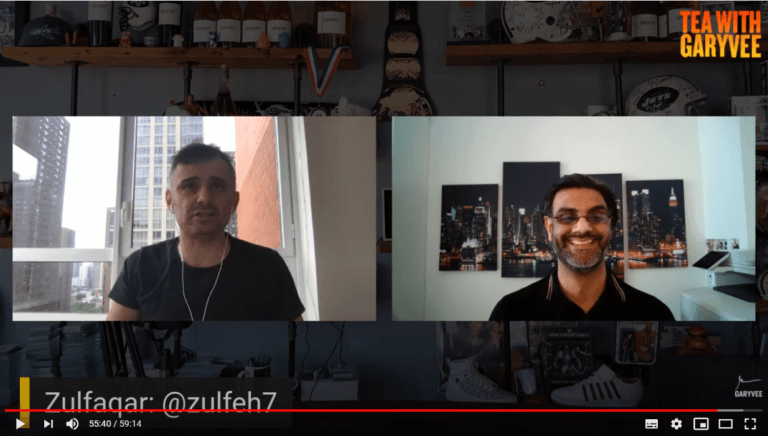
Don’t forget about books and podcasts that focus on self-improvement. I’ve lost count how many I’ve been through. I’ve recorded many myself, and you might find this one interesting with NLP expert Mohammed Sheikh.
Experts share their tested strategies and insights, often from their own journeys with the inner critic. They’re like having a mentor you can reach out to whenever you need a little guidance.
The key takeaway? You don’t have to do it alone. Opportunities abound to find support and connect with others committed to nurturing a more positive mindset.
In building a community around this goal, you’re already telling your inner critic to take a back seat.
The Minotaur Philosophy
But personally, I recommend the TECA framework in its entirety; along with the Minotaur Mastery philosophy as a whole.
Think. Evolve. Contribute. Ascend. Critical thinking comes first, before you get better as an individual. You’re then in a position to be of service to others; all for a higher purpose which nourishes your soul.
Remember, Theseus was a protected Prince. He didn’t have to fight the Minotaur. But he took on a cause bigger than himself, protecting the sacrificial children. Do you have a cause you’re fighting for that’s bigger than you?
Are you improving yourself first and foremost so you’re in a position to then contribute and make a difference to that cause you’re passionate about? That’s what it really means to conquer your internal minotaurs in the maze of your mind; before you go on to conquer the external minotaurs in the maze of your life.
The internal work comes before the external execution. Most people either focus on one or the other; you need to do both. And then watch how your life transforms. Not overnight, but over a period of consistent action that turns into habit.
So what cause will you dedicate yourself towards?!