How To Adapt To AI Disruption In Your Career

Change isn’t optional anymore. It’s enforced. The AI era isn’t asking whether you’re comfortable adapting, it’s simply removing the option not to.
Yet, far too many resist change. Even though it’s nothing new.
Change isn’t just a part of life; it’s the heartbeat of growth and innovation. “Life without change is really death!” A quote I love from philosopher Allama Iqbal.
From personal journeys to corporate strategies, evolving through change defines success stories across all sectors. Why, you ask? It’s because standing still while the world shifts around you is often more damaging than falling behind.
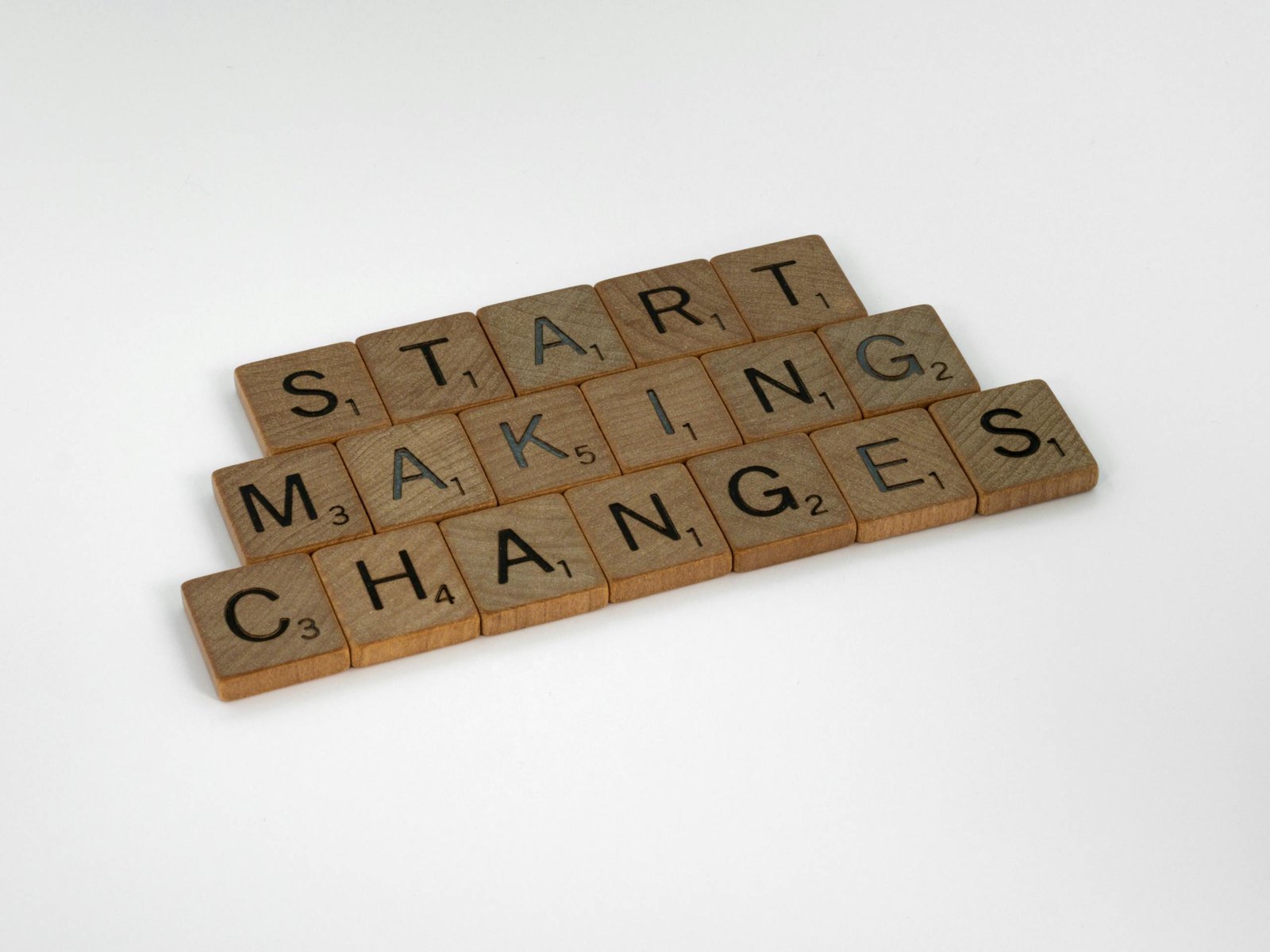
At a time when AI is causing huge chaos and disruption, your ability to adapt will determine whether you stay relevant or get replaced.
Take a stroll through history, and you’ll see countless examples where adaptation was the game-changer; and where the opposite was true as well: no change leadings to stagnation and demise.
Whether it’s in business or everyday life, those who embrace change don’t just survive; they flourish. (I was tempted to write thrive, but duuuude, I don’t think my sarcasm would have come across and it would have become cringey haha).
Why Change Is Uncomfortable
Of course, change can be scary. It’s human nature to cling to the familiar, even if it’s holding us back. But addressing these fears head-on is key.
Many of us have misconceptions about change that magnify our hesitancy. We think it means losing control or giving up what we’ve worked hard to build. But in reality, change is often about gaining more: more skills, more opportunities, more growth.
I’ve taken risks which involved change. Sometimes they paid off, sometimes they didn’t. When you’re in the corporate working world, you’re not used to change. A path is given, you stick to it. That path is now changing, so you’ve got no choice to change with it.
So the first step is understanding why change is necessary, not just for the sake of it, but for opening doors to new possibilities.
Look at it as an opportunity rather than an obstacle. Most people wait until change is forced on them. By then, it’s too late. Make shifts in your thinking, and actions, and watch those shifts gradually open up new avenues for growth and innovation.
I keep saying, the post-career AI age is just as much a massive opportunity as it is a threat.
Building a Change-Ready Mindset Means Preparing for the Unavoidable
The mistake professionals make is thinking they’ll adapt when they need to. Dealing with change starts in the mind. A lot of us hit the brakes because our brains are wired to resist the unfamiliar.
Understanding psychology is the first step (you know that’s the Minotaur Mastery way). It comes down to this: your mind loves habit and routine because it means ‘safe’ and ‘predictable.’ But breaking out of that box, that’s where the magic happens.
Safe and predictable isn’t part of the future. It’s now chaos and unpredictability. So you must prepare for this inevitability.
Consider this: mindfulness is your secret weapon for adapting to change. It calms the chaos in your mind, allowing you to tackle shifts with a clear head. Once you deal with the internal Minotaur in the maze of your mind, you can then tackle the external Minotaurs in the maze of your life.
A quick daily meditation or just mindful breathing can go a long way in rewiring how you respond to new circumstances; which the AI age will bring a lot of.

How Do You Change To Accept Change?
Next, there are strategies for shifting your mindset when you’re facing change. First, challenge your perspective.
Instead of viewing a change as a hurdle, see it as a chance to learn. Start thinking like, “What can I gain from this?” instead of focusing on what you might lose. That’s another way of saying, develop a growth mindset.
Another crucial tactic is surrounding yourself with positivity – people, environments, and information that uplift rather than drag you down. This supportive network becomes your anchor in stormy seas, reinforcing a change-ready mindset.
Most people are trapped in the “captivity of negativity” – only Prison Break fans will understand that.
Finally, remember adaptability is built through exposure, not theory, and that cultivating a positive mindset doesn’t happen overnight.
It’s about consistently putting in the work to see change, not as a threat, but as an exciting journey. Embrace small changes diligently, and over time, they’ll build into a willingness to accept even the biggest shifts.
Practical Strategies for Embracing Change Effectively
Setting off on the path of change without a plan is like heading on a road trip without a map. You’ll need clear, realistic goals to navigate through transitions.
Break down larger objectives into bite-sized, actionable steps. This approach transforms the overwhelming into the manageable, helping you track progress and stay motivated.
Resilience is your best friend during changes. It’s all about bouncing back from setbacks stronger than ever. Try resilience-building exercises like journaling about your experiences or engaging in activities that challenge you just outside your comfort zone.
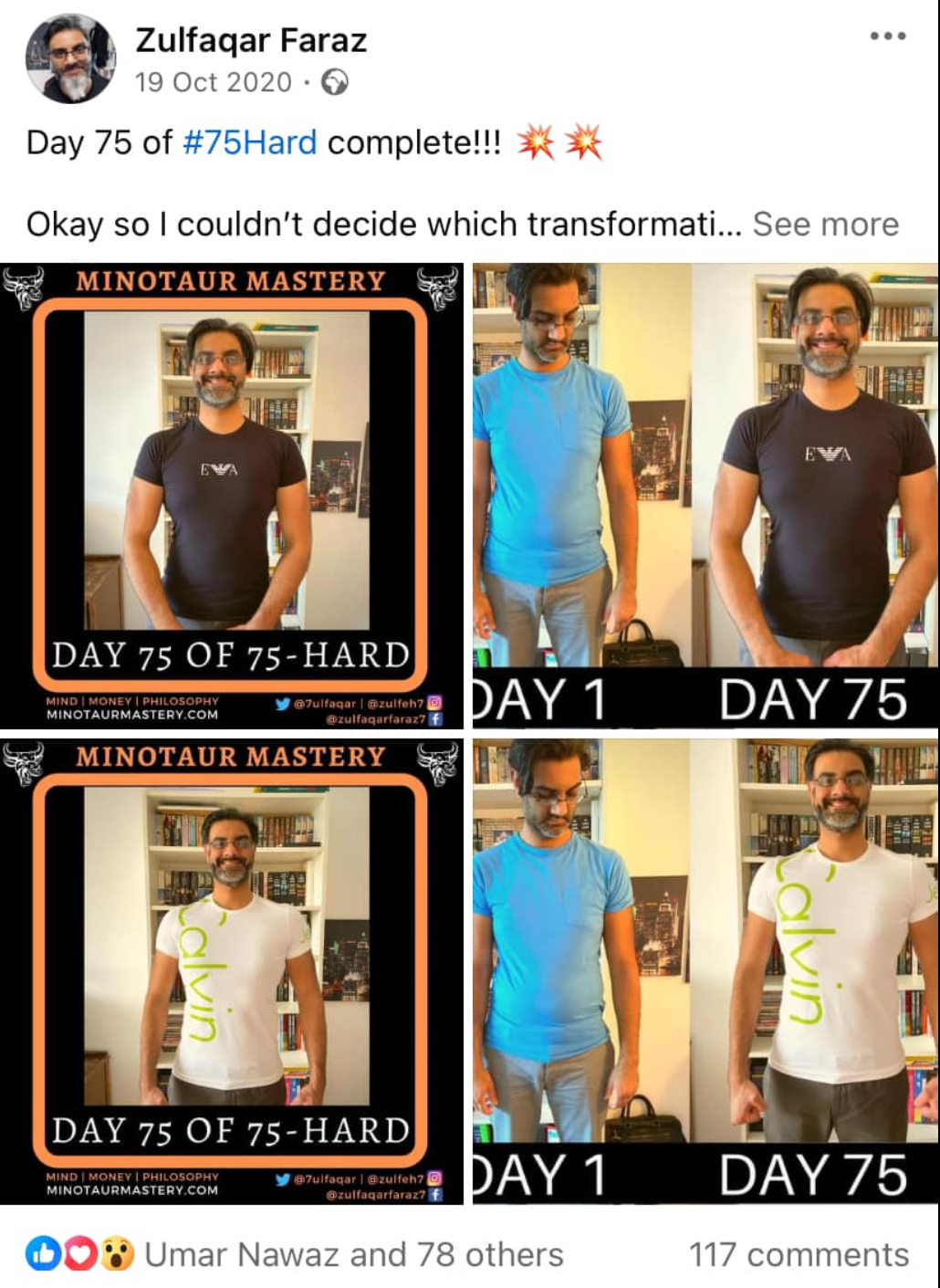
For me, I did things like 75-Hard and 100 days in a row at the gym lifting weights. The transformation is phenomenal. These efforts build that mental muscle and armour you need to tackle life’s shifts.
Learning Never Stops
Rigidity is what kills careers in unpredictable times. Flexibility is a must; it means keep an open mind, ready to pivot when necessary. This is what most professionals in the corporate struggle with the most. I know I did.
This isn’t about complicity or submitting to external forces; it’s about finding the way that works best given the circumstances. Embrace flexibility, and life becomes a series of experiments rather than rigid plans.
Another trick is embracing lifelong learning. Continue to learn and adapt skills pertinent to modern changes, whether it’s enrolling in online courses or merely staying curious.
You become more adaptable when you regularly update your toolbox. Commitment to learning today prepares you for the opportunities of tomorrow. Becoming proficient in AI, developing communication and visibility skills will not happen without this commitment.
Your future self and survival depends on it.
Finally, nurture a supportive network. Sharing experiences and insights with peers who have undergone similar changes not only provides comfort but also reveals strategies you might not have thought of.
Leaning on a community builds shared resilience, making the whole experience less daunting and more empowering.
Transforming Challenges into Opportunities
Every hurdle presents a hidden opportunity waiting to be uncovered. It’s not about ignoring the challenges, but about shifting focus to what good they can bring.
The stories of people and businesses rising from dire situations to achieve greatness often start with setbacks that, at first glance, seemed insurmountable.
When life throws a curveball, zoom out and look at the bigger picture. Maybe a job loss leads to discovering a passion that turns into a greater opportunity. That’s what happened to a lot of people during the Covid period.
Or perhaps a failed project teaches you the ropes, setting you up for future success. Life’s hiccups often push us onto paths we might never have chosen otherwise.
Turning setbacks into stepping stones means not dwelling too long on what went wrong but using it as a catalyst for change. Learning from mistakes is crucial. Instead of fearing failure, embrace it as a valuable lesson giver.
Is The Fear of Failure Stopping You?
The biggest psychological blocker for me, and for most smart professionals, is this fear of failure. It comes back down to the idea of conditioning and programming. You were a top student and a top employee – you never really failed.
If that’s your programming, then it’s natural you’re not going to deal with it well and will in fact avoid situations where failure is possible. This will come down to how you then deal with your inner critic.
The art of foresight is another tool for transforming challenges into opportunities. Stay alert to trends and changes in your industry or field.
Being proactive, rather than reactive, puts you in a position to leverage changes before they become challenges.
Cultivate an entrepreneurial spirit, which is essentially about spotting opportunities in places others see problems.
Whether it’s starting a venture or proposing a new idea at work, this mindset helps you navigate around obstacles with creativity and innovation, turning what could have been a roadblock into a launchpad.
Errr’one is going to need to develop some form of entrepreneurial spirit.
The Role of Adaptability in Future Innovation and Success
Adaptability isn’t just a trait; it’s a key player in the game of future innovation. As tech-driven industries continue to evolve at breakneck speeds, keeping pace is all about how nimble you can be in response to new advancements and disruptions.
Think about digital transformation…it’s reshaping not only businesses but whole sectors. Companies that can quickly adapt to these digital shifts stay relevant, while others struggle to catch up.
The secret is not just keeping up with technology but predicting where it’s headed next. Spotting these trends early puts you in a position to innovate rather than imitate.
In our ever-changing world, the ability to adapt influences not only businesses but also personal careers. Future-proofing your career means being ready to pivot roles, learn new skills, and even switch industries if necessary.
Master Yourself First
It’s what the main focus of the Minotaur Mastery has become. Most will try to change external circumstances, when in reality they need to learn to master themselves first; especially those comin’ out from the 9-5 programming.
Having an adaptable mindset gives you the flexibility to mold your career path in ways that line up with what’s next in your field.
Adaptability also fuels creativity and innovation. When you’re comfortable with change, you’re more likely to think outside the box, trying different approaches and experimenting with new ideas.
This kind of innovative thinking is what drives progress and sets the greats apart from the rest.
Ultimately, cultivating adaptability ensures you not only survive but thrive (damn I did it anyway) in a future full of possibilities.
It’s about positioning yourself to discover success where others see uncertainty. By embracing adaptability now, you’re setting the stage for a future where change is your strongest ally.
Despite the doom and gloom – I do believe it’s the best time to be alive. The opportunities are endless. You just have to make sure you’re open to change and can adapt as quick.
The professionals who move early will have an unfair advantage.
The ones who hesitate will spend the next decade catching up.
You don’t get to avoid change anymore.
You either move with it, or get removed by it.
Choose wisely.